Short answer: beverage capability depends on the ingredient pathway
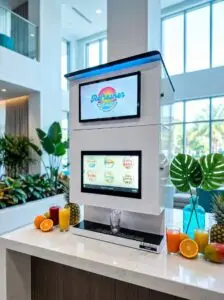
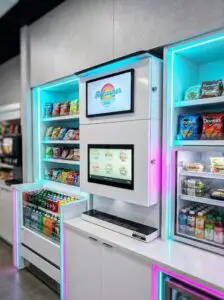
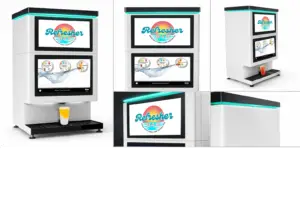
A commercial countertop beverage system can support a wide range of drinks, but what any single unit actually makes depends on how it’s plumbed and which ingredient inputs are connected, not on the category of drink alone. TendedBar’s countertop configuration supports up to 16 BIB and 10 bulk ingredient inputs, which is enough to cover cocktails, alcohol-free mixed drinks, coffee drinks, teas, refreshers, and more, but the exact menu for any given install depends on which of those inputs are used and how the recipes are built. Treat “what can it make” as a question to answer for your specific configuration, not a universal yes or no.
Cocktails and alcohol-free mixed drinks
Recipe-based mixed drinks, both alcoholic and alcohol-free, are a core use case for automated beverage dispensing. The system doses each ingredient (spirits, mixers, juices, syrups) to a stored formula, so the same drink comes out the same way every time. Where alcohol is involved, age-verification requirements vary by municipality, so confirm what applies to your location with TendedBar before finalizing a self-service or unattended alcohol program.
Iced coffee, teas, refreshers, lemonades, dirty sodas, and energy drinks
Beyond cocktails, countertop systems commonly support cold coffee drinks, iced teas, refreshers, lemonades, dirty sodas, and energy drink mixes, all of which are typically built from BIB syrups, bulk liquid bases, and water or carbonation. These categories tend to be a natural fit for automation because they’re recipe-driven and don’t usually involve dairy or heat, though any specific menu should be validated on your actual configuration before launch.
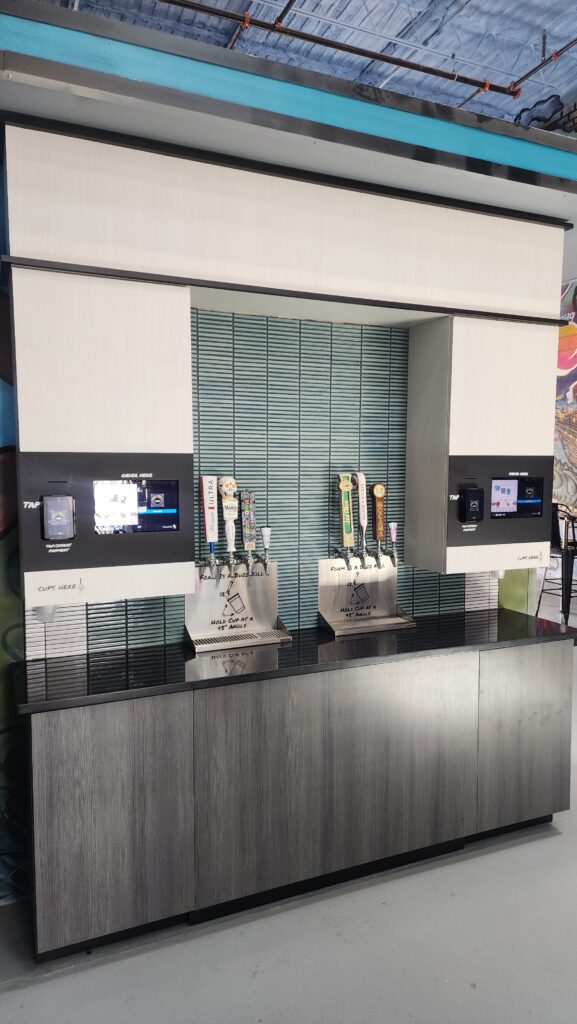
Beer, wine, and other direct-dispense beverages
Direct-dispense beverages like beer or wine on tap work differently from recipe-built mixed drinks. They typically pass through the system with little or no formula mixing involved. [CONFIRM: current TendedBar direct-dispense capability and approved public language for beer and wine before publishing specific claims.]
BIB inputs versus bulk liquid inputs
TendedBar’s countertop configuration draws on two types of ingredient inputs. Bag-in-box (BIB) inputs, up to 16 on the countertop configuration, are used for syrups and similar concentrates. Bulk liquid inputs, up to 10 on the countertop configuration, are used for ingredients stored and fed in larger volume. A mixed architecture using both input types is what lets a single system support a broader menu than either input type alone.
What may stay outside the automated pathway
Not every part of a drink runs through the automated pathway, and it’s worth being specific about the boundaries rather than assuming universal compatibility.
Ice and cup handling
Ice and cup handling may be automated, staff-managed, or a mix, depending on the configuration and service model. Confirm how ice and cups are handled in your specific setup before finalizing a service flow.
Garnishes and solid inclusions
Garnishes and solid inclusions, like fruit pieces or boba pearls, are not something the dispenser passes through the liquid pathway. Any garnish or inclusion is a finishing step handled separately from the automated pour, whether by staff or as part of a guest self-service station.
Dairy, perishable, or high-viscosity ingredients
Dairy, other perishables, and high-viscosity ingredients raise food-safety, shelf-life, and cleaning questions that go beyond general capability claims. [CONFIRM: approved dairy and high-viscosity ingredient handling rules and any required SOPs before publishing specific compatibility claims.]
How to validate a new recipe before launch
Before adding a new drink to your menu, confirm the recipe is buildable with your current ingredient inputs, test the pour for consistency and taste, and check that any new ingredient is compatible with your system’s tubing, seals, and cleaning process. This validation step matters more as your menu grows more complex or introduces ingredients you haven’t run before.
Where TendedBar fits
TendedBar’s countertop configuration is built for menu flexibility within its ingredient architecture: up to 16 BIB and 10 bulk inputs supporting cocktails, alcohol-free mixed drinks, iced coffee, teas, refreshers, and similar recipe-driven categories. [CONFIRM: approved public language and current recipe count before referencing a specific number of field-tested recipes.] The right menu for your venue depends on your specific configuration, so treat any general capability list as a starting point for a conversation with TendedBar rather than a guarantee.
Questions to bring to a beverage-system assessment
- Which specific drinks do you want the system to produce, and how many distinct recipes does that require?
- How many BIB and bulk inputs does that menu actually need, versus the maximum the system supports?
- Does your menu include dairy, perishables, or high-viscosity ingredients that need separate validation?
- Will garnishes or inclusions be added as a manual finishing step, and who owns that?
- Does your beverage program include alcohol, and what does your local jurisdiction require for age verification?
- How will new recipes be tested and validated before they go live?
Frequently Asked Questions
Can a commercial beverage dispenser make cocktails and mocktails?
Yes. Recipe-based cocktails and alcohol-free mixed drinks are a core use case for TendedBar’s countertop configuration, which doses each ingredient to a stored formula. Where alcohol is involved, confirm age-verification requirements for your municipality with TendedBar before finalizing a service model.
Can a countertop system dispense iced coffee?
Yes, iced coffee and similar cold coffee drinks are commonly supported through BIB and bulk liquid inputs, though the exact menu depends on your specific configuration.
Can it make dirty sodas and refreshers?
Yes, these are typically built from BIB syrups and bulk liquid bases and are a natural fit for recipe-based automation.
How many ingredients can a commercial countertop system hold?
TendedBar’s countertop configuration supports up to 16 BIB and 10 bulk ingredient inputs. How many recipes that supports depends on how much your menu items share base ingredients.
Can it dispense dairy or cream?
Dairy and other perishable ingredients raise food-safety and cleaning questions that need to be confirmed for your specific configuration before you add them to a menu. Ask TendedBar directly about current dairy handling guidance.
Does the machine add ice and garnishes?
Ice handling varies by configuration and service model. Garnishes and solid inclusions are a separate finishing step, not something that passes through the automated liquid pathway.