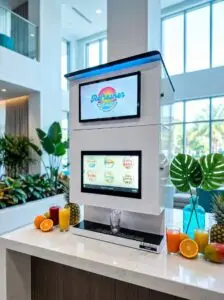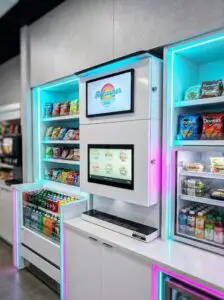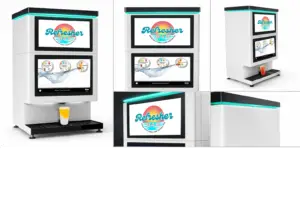
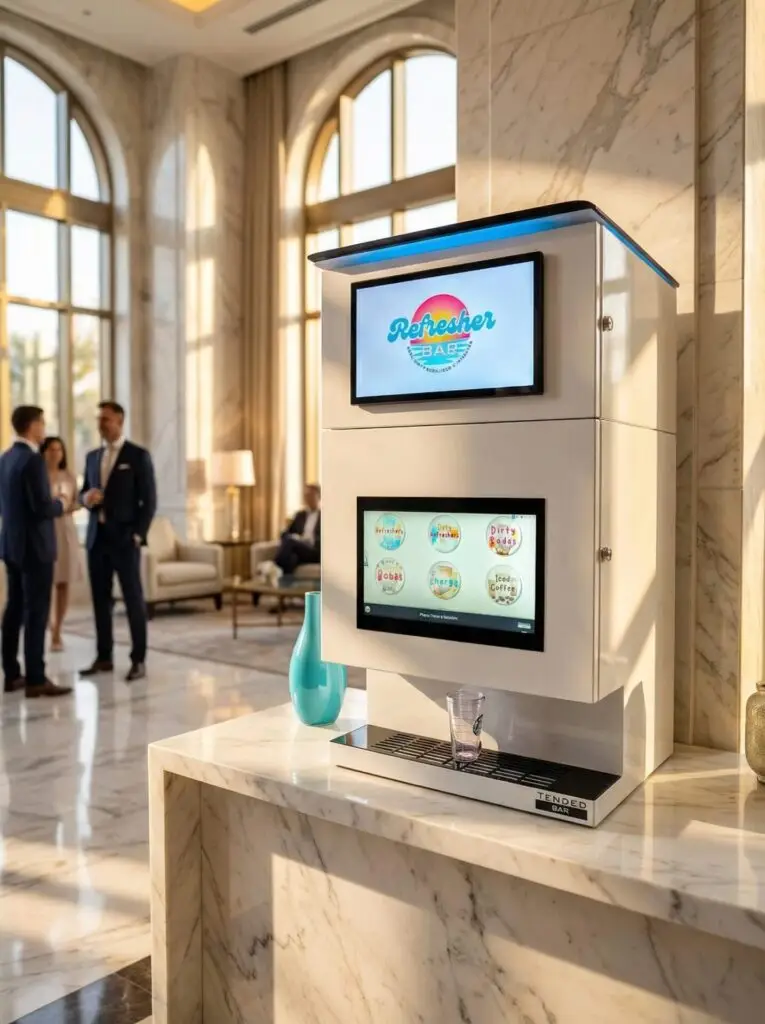
Of every venue type that runs automated beverage equipment, a cruise ship is arguably the least forgiving. Every one of the usual constraints, space, staffing, volume, gets more extreme at sea, and yet cruise lines have been early and consistent adopters. That combination is worth unpacking.
Square footage is the first fight
A land-based venue that’s tight on space can usually find a few more feet somewhere. A ship can’t. Every inch of a bar or lounge is designed around fixed structural constraints set years before the ship sails, and a beverage station has to fit a footprint that was locked in at the blueprint stage. Compact, self-contained units that don’t need a full back bar are less of a nice-to-have here than they are elsewhere.
The ship moves, and the pour still has to be consistent
Open water isn’t always calm, and a bartender free-pouring during a rolling sea is working under conditions no land-based bar deals with. A programmed, metered pour doesn’t care about the tilt of the room the way a hand-held bottle does, which matters both for consistency and for basic spill control in a space where a bottle sliding off a shelf is a bigger deal than it sounds.
Drink packages push volume most bars never see
Unlimited beverage packages are standard on most major cruise lines now, and they change guest behavior: when another drink doesn’t cost anything extra, people order more of them, more often, across more bars on the ship simultaneously. That’s a sustained, ship-wide volume pattern that a handful of human bartenders per venue struggle to keep up with during peak hours, particularly early evening before dinner seatings.
A multilingual crew needs equipment that doesn’t care what language it runs in
Cruise ship crews are famously international, and beverage staff rotate through contracts, ships, and sometimes languages more often than a land-based bar’s staff does. A recipe programmed into a dispensing system pours the same drink correctly regardless of who’s running the station that shift or how long they’ve been on this particular ship, which removes a training and consistency variable that matters more at sea than almost anywhere else.
Common questions
Does the equipment actually work when the ship is rocking?
Units are typically secured and calibrated for the kind of motion a ship encounters in normal operating conditions; specifics depend on the equipment and installation, and this gets worked through with the vessel’s engineering team during planning, not assumed.
How does this fit into an all-inclusive drink package model?
The pour itself doesn’t change how a package is billed, that’s a POS and package-management question the ship’s systems handle separately. What the automated side controls is getting a consistent, correctly-portioned drink out fast enough to keep up with package-driven volume.