Anyone who has worked a concession counter knows the pattern: nothing happens for twenty minutes, then four screens let out previews at once and thirty people want a fountain drink in the same ninety seconds. That crunch, not the total volume of the night, is usually what determines whether guests make it back to their seats before the film starts.
The problem isn’t throughput, it’s the queue shape
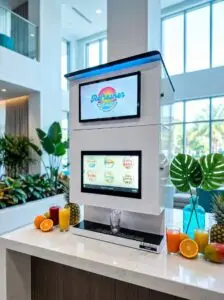
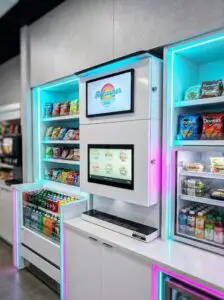
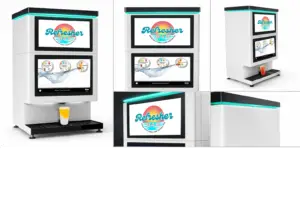
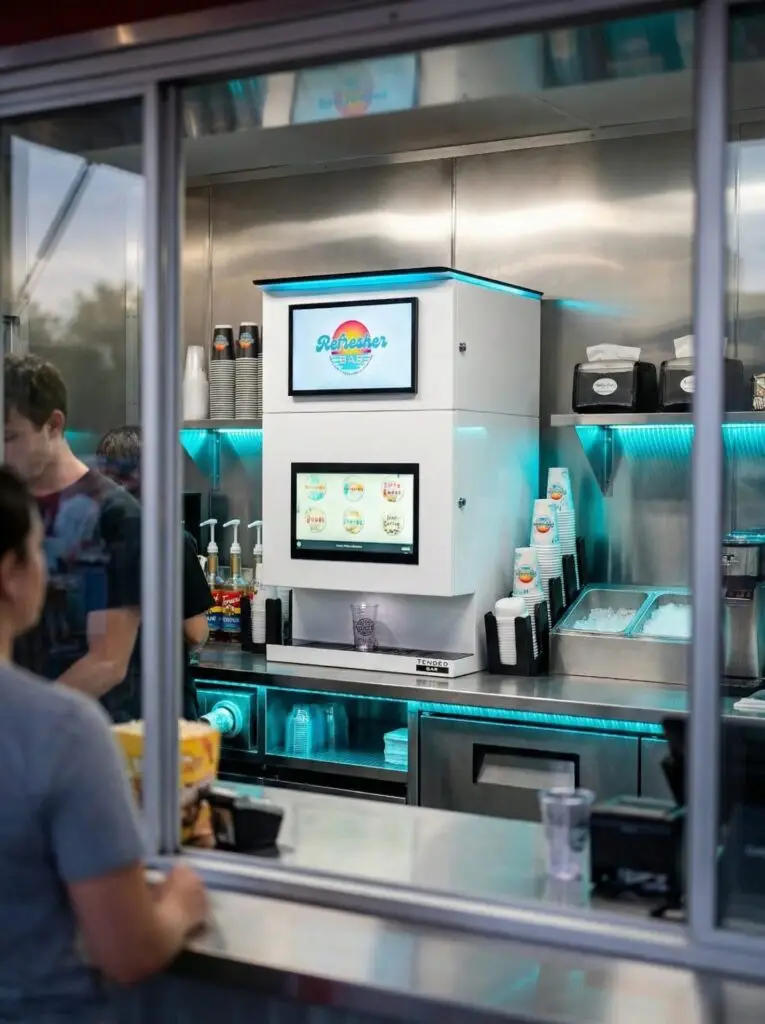
A single-line fountain station can pour fast enough on average and still fail during the rush, because the demand isn’t spread evenly across the night, it’s stacked into a handful of sharp spikes tied to showtimes. Adding a self-serve automated station next to (not instead of) the staffed counter gives guests a second path during exactly those spikes, without needing to schedule extra staff for twenty minutes out of a four-hour shift.
Dine-in changes the calculation entirely
Theaters that have moved to reserved seating with in-seat food and drink service are dealing with a different problem: getting orders out to seats quickly during the film itself, often including beer, wine, or cocktails where local licensing allows it. An automated unit at a bar or service point lets a small runner staff pour consistent drinks fast instead of waiting on a bartender for each ticket, which matters more when the kitchen is already the bottleneck.
Alcohol service means real compliance is non-negotiable
Any theater adding automated alcohol dispensing needs to work through the same licensing and ID-check requirements as a normal bar, an automated pour doesn’t change who’s legally allowed to serve or check ID, it changes how the drink physically gets made once that’s handled. This gets worked out with the specific state and municipality, not assumed from what worked at another location.
What to check before adding one to a theater
- Where the natural queue spikes happen (which showtimes, how many screens let out together)
- Whether alcohol is part of the plan, and what the local licensing actually requires
- Counter space and whether a station can sit near existing traffic flow without creating a second bottleneck
- Power and plumbing access at the proposed location, since retrofitting an existing concession stand is different from a new build
For most multiplexes, the win isn’t replacing concession staff, it’s giving the preview-window crowd somewhere else to go so the main line keeps moving.