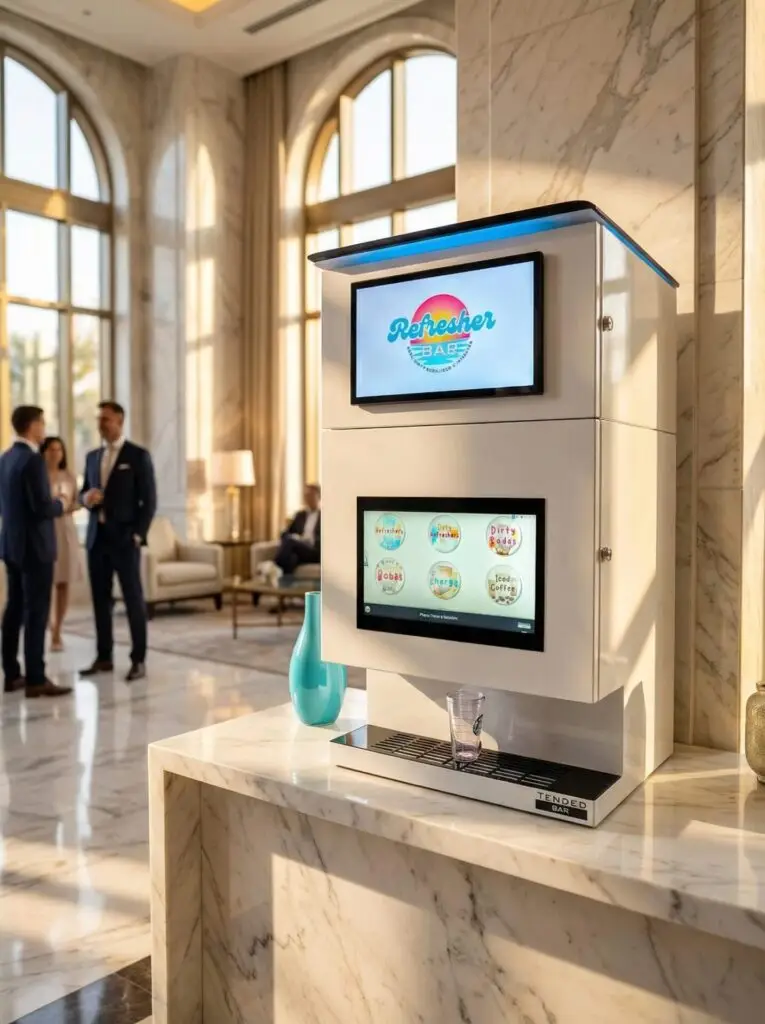
Short answer: countertop beverage automation fits hotels wherever staffed bar hours don’t match guest demand
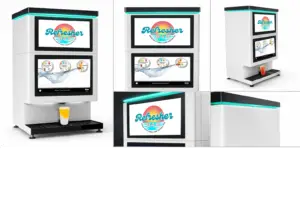
Hotels run beverage service across a wide range of hours and locations, lobby bars, pool decks, in-room dining support, meeting and event space, that don’t always justify a fully staffed bartender at every point. A countertop automated system fills those gaps: it holds up to 16 BIB and 10 bulk ingredient inputs (plus separate water and soda water lines), pours a drink in as little as 5 seconds, and can run attended, semi-attended, or unattended depending on the location and local alcohol regulations.
Where hotels typically deploy automated beverage systems
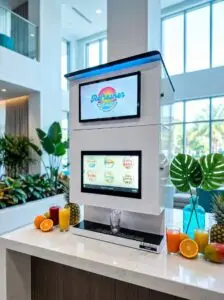
Common placement points include lobby bars during off-peak hours, pool and cabana areas, fitness centers offering recovery drinks or infused water, meeting and event space for self-serve refreshment stations, and executive lounges. Each location has a different staffing reality, and the right service mode depends on that context.
Matching service mode to hotel location
A staffed lobby bar might use a countertop unit in back-of-house mode to speed up ticket times during a rush. A pool deck might run semi-attended, with a staff member nearby for cash handling and age verification. A 24-hour self-serve station in an executive lounge might run unattended for non-alcoholic drinks, or unattended alcohol service where local jurisdiction permits it. TendedBar supports attended, semi-attended, unattended, and back-of-house workflows, but availability of any given mode depends on configuration, beverage type, and local regulation, so confirm what’s permitted in your jurisdiction before finalizing a service model.
Space and footprint for hotel installations
The countertop configuration runs roughly 30 in W x 25.5 in D and draws on a standard 20-amp, 110V circuit in most applications, which makes it workable in a range of hotel bar and lounge footprints without a major buildout. Confirm exact utility requirements with a licensed electrician before committing to a location, especially in older hotel properties where electrical capacity can vary significantly by wing or floor.
Menu fit for hotel beverage programs
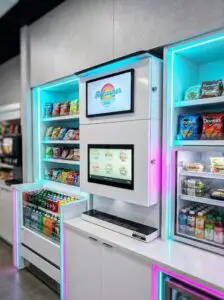
Hotels often run a broad, low-repetition menu, cocktails at the lobby bar, iced coffee and tea in the morning, refreshers and infused water poolside, so ingredient flexibility matters more than raw throughput in most hotel deployments. The countertop system’s mixed BIB and bulk architecture supports that kind of varied, recipe-driven menu on a single unit.
Staffing considerations for hotel operations
Hotel F&B teams frequently deal with uneven demand: a slow Tuesday afternoon and a packed Friday night on the same bar. Rather than staffing for peak at all times, some hotels use automation to cover baseline demand and bring in staff for peak service and high-touch guest interactions. A single well-configured system can generate the throughput that would otherwise take several additional staff to match during a rush, which is a useful directional input, but the actual labor plan depends on your specific property and shift patterns.
Questions to work through before installing at a hotel property
- Which hotel locations have beverage demand that doesn’t match current staffing (off-peak lobby, pool deck, lounge)?
- What service mode fits each location, and what does your state or local jurisdiction require for unattended or semi-attended alcohol service?
- What’s the utility situation (power, water, drainage) at each candidate location?
- Who owns restocking, cleaning, and monitoring for each unit?
- Does your beverage program need BIB syrups, bulk bases, or both, and in what mix?
Frequently Asked Questions
Can a hotel run an automated beverage system unattended?
Yes, in locations and jurisdictions where unattended service is permitted, though age-verification and alcohol-service rules vary by municipality. Confirm local requirements before deploying an unattended configuration, especially for alcohol.
What hotel locations work best for automated beverage service?
Lobby bars during off-peak hours, pool and cabana areas, fitness centers, meeting and event space, and executive lounges are common fits, each with a different appropriate service mode based on staffing and regulatory context.
How much space does a hotel need for a countertop unit?
The countertop configuration measures roughly 30 in W x 25.5 in D on a standard 20-amp, 110V circuit in most applications. Confirm exact utility requirements with a licensed electrician for your specific property.
Can one system handle both cocktails and non-alcoholic drinks?
Yes, the countertop configuration’s mixed BIB and bulk inputs support a broad, recipe-driven menu spanning cocktails, alcohol-free drinks, iced coffee, tea, and refreshers on a single unit.