Every time automated beverage equipment shows up in a venue, some version of the same headline follows: robots are coming for bartenders’ jobs. It’s a good headline. It’s also not what’s actually happening in the venues running this equipment, and the gap between the story and the reality matters if you’re trying to figure out whether any of this applies to your own bar.
The venues that adopt this fastest aren’t cutting bartenders
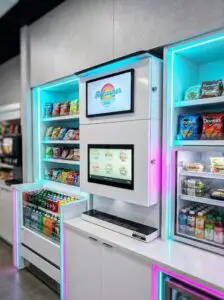
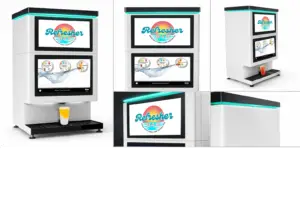
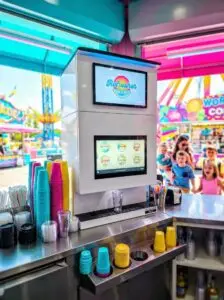
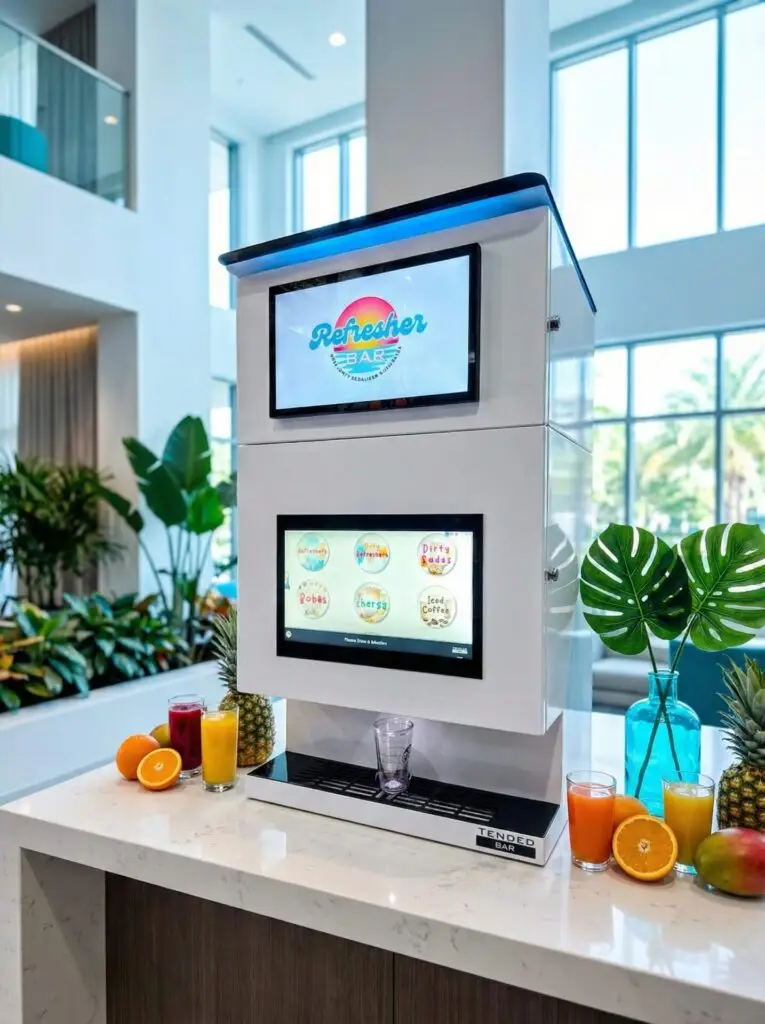
Look at where automated stations actually get installed, stadiums, hotels, nightclubs, wedding venues, and the pattern isn’t “replace the bar staff.” It’s “add a second lane next to the bar staff.” A nightclub running an automated station alongside its regular bartenders isn’t running with fewer people behind the bar, it’s giving the bartenders room to focus on the drinks that need a human, the craft cocktails, the regulars who want to chat, the orders that don’t fit a programmed recipe.
The jobs that actually go away are the ones nobody wanted anyway
Standing at a fountain machine refilling cups, or free-pouring the fortieth identical vodka soda of the night, isn’t the part of bartending anyone got into the industry for. That’s the work automation tends to absorb, the repetitive, low-skill pours that don’t require a trained bartender’s judgment in the first place. The skilled work, reading a room, building a cocktail menu, handling a difficult guest, checking ID and making a judgment call, none of that is what a dispensing unit does.
The real story is a labor shortage, not a labor replacement
Most operators bringing this equipment in aren’t doing it because they have too many bartenders, they’re doing it because they can’t find enough. The hospitality industry’s staffing problem predates any of this technology and isn’t solved by it either, automation just means a short-staffed venue can still serve its full capacity on a Friday night instead of cutting hours or turning guests away.
Why the “replacement” framing keeps showing up anyway
It’s a more compelling story than “venue solves a staffing gap with better logistics,” and a more clickable one than the truth, which is that most automated bar deployments look boring in practice: one attendant, a faster line, and bartenders who still exist and are, if anything, freed up to do the parts of the job that made them good at it. Boring doesn’t trend, but it’s what’s actually happening on the floor.